














IP65 LED Flood Lights for Building Facades: A Practical Architectural Lighting Guide
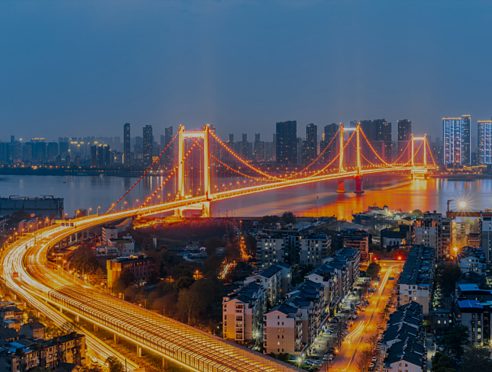
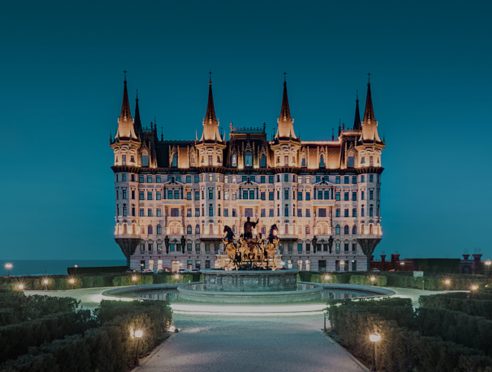
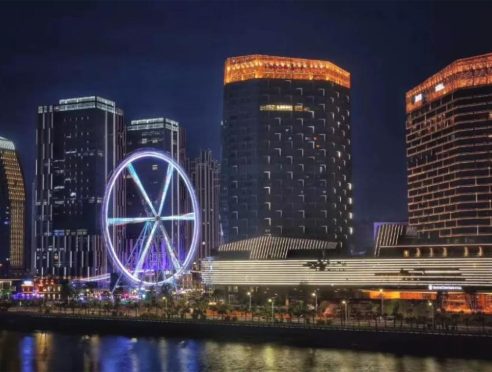
pA building facade after dark is a controlled piece of engineering, even when it looks effortless. The light that grazes up a stone column, washes a museum wall evenly, or picks out a bridge cable has been chosen for a reason. Get the fixture wrong and the same building reads flat, patchy or glaring - and the problem only becomes visible once the sun goes down and the client is standing outside./p
pThis guide is written for project buyers, specifiers and installers who need facade lighting to look right on night one and still look right five years later. itc supplies a href="https://www.itclightings.com/product_cat/flood-light/"LED flood lights/a and a href="https://www.itclightings.com/product_cat/architecture-lighting/"architectural lighting fixtures/a for exactly these installations./p
h2Start with IP65, not with lumens/h2
pOutdoor fixtures live in a harsher world than indoor ones. Rain, dust, humidity and temperature swings all reach the electronics. An IP65 rating means the enclosure is dust-tight and protected against water jets from any direction - the practical baseline for a facade or landscape installation that must run through years of weather./p
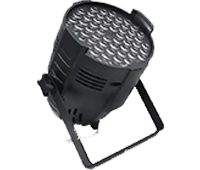
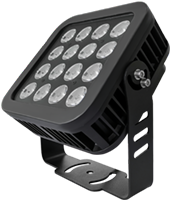
pThe a href="https://www.itclightings.com/product/tl-lh3101-led-flood-light"TL-LH3101 LED Flood Light/a, for example, is rated IP65. For ground-level landscaping, walkways and planting beds where fixtures may be exposed to splashing or temporary standing water, ask specifically about the protection class rather than assuming all outdoor lights are equivalent. Getting this right at specification stage avoids the most disruptive kind of callback: replacing fixtures that have already been mounted on a building./p
h2Beam angle decides what the building looks like/h2
pThe single most creative decision in facade lighting is the beam. A narrow beam throws light a long way and creates strong, sculpted edges; a wide beam spreads light softly and flattens texture. Most architectural flood lights are offered in several fixed beam options, and choosing among them is what turns a wall into either a wash or a statement./p
pThe TL-LH3101 ships with an 8deg; beam and offers 15deg;, 30deg;, 45deg; and 60deg; options. That spread of choices is more useful than a single adjustable fixture in many projects, because it lets you assign a dedicated optic to each element:/p
table
thead
trthBeam/ththVisual effect/ththTypical application/th/tr
/thead
tbody
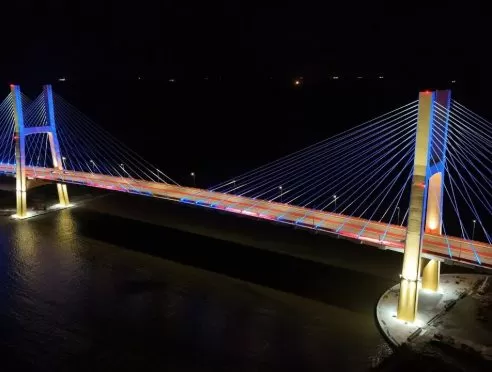
trtdNarrow (8-15deg;)/tdtdTight, long throw, strong shadow definition/tdtdColumns, signage, distant facade details, bridges/td/tr
trtdMedium (30-45deg;)/tdtdBalanced wash with visible texture/tdtdBuilding walls, landscaping, courtyard features/td/tr
trtdWide (60deg;)/tdtdSoft, even coverage over a short distance/tdtdLow walls, planting, pathway and garden areas/td/tr
/tbody
/table
pA common mistake is to use one narrow beam for everything. It produces bright hot spots and deep shadows. Mixing beam widths across a facade is usually what makes the result look designed rather than merely illuminated./p
h2Colour temperature and consistency between fixtures/h2
pColour temperature sets the mood. Warm white around 3000K flatters stone, heritage facades and hospitality spaces; cooler 4000-5700K reads clean and modern on glass, metal and contemporary architecture. When a project uses dozens of fixtures, the harder requirement is strongconsistency/strong - every unit must render the same white, or the wall will show visible bands of slightly different colour./p
pLook for fixtures built around reputable LED sources with controlled colour bins. The TL-LH3101 uses CREE LEDs and is specified at 3000K with 1900K, 2100K, 4000K and 5700K options, with good light-colour consistency noted as a core feature. That combination - a known emitter, selectable CCT and batch consistency - is what keeps a large installation visually even./p
h2Output and throw distance/h2
pDescribe the job in terms of the surface to be lit and the distance from the mounting point, then work backward to the fixture. A high luminous flux with the wrong beam simply puts light where it is not wanted. A narrow beam concentrates output onto a distant facade; a wide beam needs more fixtures to cover the same wall evenly. Ask your supplier for photometric data and, where the project is complex, a lighting calculation rather than a catalogue guess./p
h2Mounting, power and maintenance access/h2
pArchitectural fixtures are often installed in places that are awkward to reach. Three practical points protect the investment over the life of a project:/p
ul
listrongFixed, purpose-built mounting./strong Choose brackets that aim securely and resist vibration and wind, and confirm the fixing points before finishes are closed up./li
listrongDriver and cable planning./strong Decide early whether drivers sit locally or in a central cabinet, and route cabling accordingly. Retrofitting drivers into a finished facade is disruptive work./li
listrongAccess for service./strong Even long-life LEDs and drivers eventually need attention. A small amount of planning for safe access is worth far more than a clever fixture that cannot be reached./li
/ul
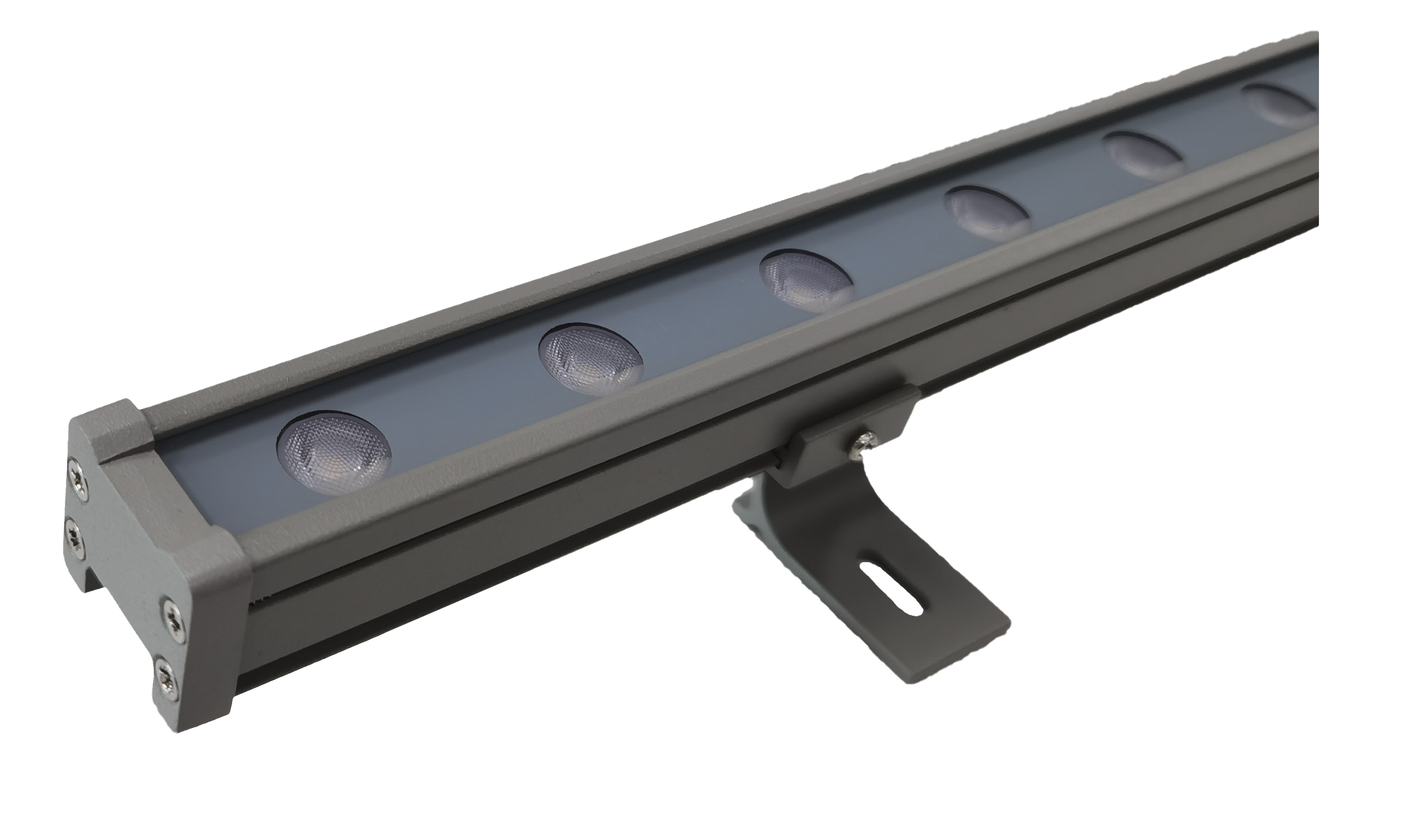
pFor continuous runs along a building edge, pairing floods with a a href="https://www.itclightings.com/product_cat/wall-washer/"wall washer/a or a href="https://www.itclightings.com/product_cat/linear-light/"linear lighting/a often gives a smoother result than floods alone - each fixture type doing what it does best./p
h2Matching fixtures to common project types/h2
table
thead
trthProject/ththPreferred beam / CCT/ththKey requirement/th/tr
/thead
tbody
trtdHeritage or stone facade/tdtdNarrow-to-medium, warm 3000K/tdtdGraze texture, even colour between fixtures/td/tr
trtdModern office tower/tdtdMedium, 4000-5700K/tdtdUniform wash, long throw, low maintenance/td/tr
trtdBridge or landmark/tdtdNarrow, selectable CCT/tdtdLong-distance throw, stable mounting, IP65+/td/tr
trtdLandscape and garden/tdtdWide, warm white/tdtdGlare control, weather protection, safe access/td/tr
/tbody
/table
h2Pre-specification checklist/h2
ol
liWhat is the mounting distance to the furthest surface you need to light?/li
liWhich beam widths does the facade actually need - and where?/li
liWhat colour temperature suits the material and the intended mood?/li
liAre the fixture's IP rating and sealing suitable for its exact position?/li
liAre photometric files available for a lighting calculation?/li
liHow consistent is colour between production batches?/li
liWhere will the drivers live, and how will service access work?/li
liDoes the manufacturer support project quantities and long-term spare parts?/li
/ol
h2Frequently asked questions/h2
h3Is IP65 enough for an outdoor facade?/h3
pFor wall-mounted fixtures exposed to rain and dust, IP65 is a sound baseline. Positions with ground-level splash, temporary submersion or coastal salt air may call for a higher rating or additional protective measures - assess the exact location rather than the general category./p
h3How many flood lights does a facade need?/h3
pIt depends on surface area, mounting distance and beam width. Narrow beams cover a smaller patch from further away, so a tall facade may need more fixtures with wider optics. A lighting calculation with the real dimensions is the only reliable way to answer this before installation./p
h3Should I choose warm or cool white?/h3
pWarm white tends to flatter stone, brick and heritage architecture; cooler white suits glass and modern facades. Colour temperature also interacts with the surrounding ambient light, so view samples on site at night before committing to a full order./p
h3Can flood lights be mixed with wall washers?/h3
pYes, and it is often the best approach. Floods handle throw and accent; wall washers even out large vertical surfaces. Using both lets you shape the facade instead of accepting a single uniform wash./p
pA facade project is decided long before installation night - in the beam choices, colour consistency and weather protection specified at the start. If you share the building dimensions, mounting positions and the effect you are aiming for, our team can propose a fixture schedule with photometric support - a href="https://www.itclightings.com/contact-us/"contact us to discuss your project/a./p